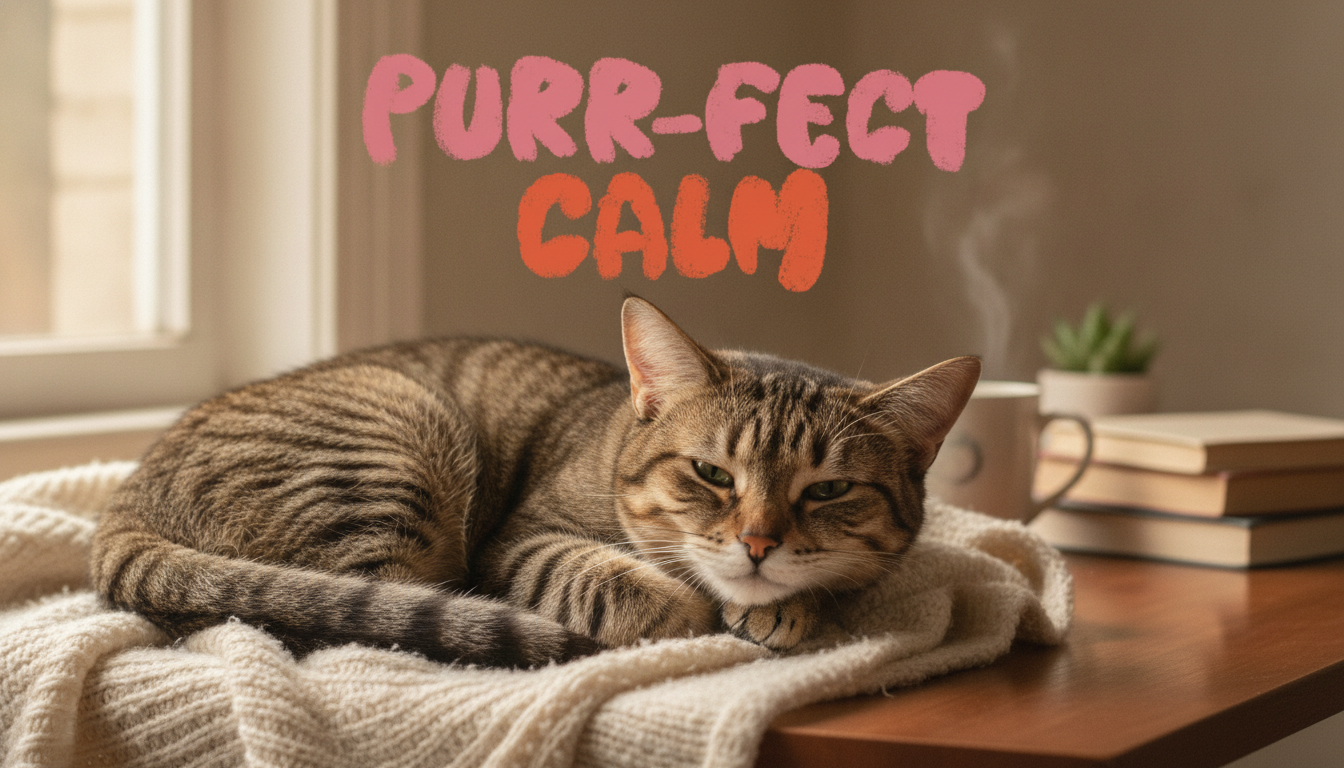
Cats are experts at masking discomfort, which means stress can simmer quietly until it shows up as hiding, irritability, litter box problems, or changes in appetite and play. A calmer cat usually comes from two pieces working together: removing (or reducing) the stress trigger and making daily life feel predictable and safe. The steps below focus on practical changes you can start at home—plus clear signs that it’s time to involve a veterinarian.
Stress looks different from cat to cat, but patterns tend to show up in behavior, body language, and routines. The earlier you notice small shifts, the easier it is to help your cat settle.
| What you notice | What it can mean | What to do today |
|---|---|---|
| Hiding all day | Feeling unsafe or overwhelmed | Provide a quiet “safe room,” add a covered bed, avoid forced contact, keep routines steady |
| Urinating outside the litter box | Stress, medical pain, or litter box aversion | Schedule a vet check; add a second box; scoop more often; try unscented clumping litter |
| Overgrooming or hair loss | Anxiety, skin irritation, or pain | Vet exam to rule out medical causes; increase enrichment; reduce triggers |
| Aggression during petting or handling | Fear, overstimulation, or pain | Stop interaction before escalation; use treats for cooperative handling; vet check if new |
| Excessive meowing | Stress, boredom, or need for resources | Add interactive play; check food/water/litter access; offer quiet resting spots |
Stress often begins with change, competition, or unpredictability. Common triggers include:
For deeper background on feline stress and behavior concerns, see resources from International Cat Care and the Cornell Feline Health Center.
Think of calm as a “layout + schedule” project. The goal is to give your cat control over distance, access, and hiding—without you needing to constantly intervene.
Calming tools work best when paired with stress reduction in the environment. Give each change a few days before deciding whether it helps.
If you prefer a structured, printable approach for day-to-day consistency, Purr-fect Calm: The Ultimate Guide to Soothing Your Stressed Cat – How to Calm a Stressed Cat can help you track triggers, routines, and progress without guesswork.
This one-week reset focuses on small, reliable wins. Move slower if your cat is very fearful, and faster only if body language stays relaxed.
For cat owners who like data-driven prevention and early warning signals, Paw-sitive Predictions: Using AI to Safeguard Your Pet’s Health – A Comprehensive Guide to Predicting and Protecting Your Pet’s Health with AI is a practical companion for tracking health changes that can overlap with “stress behaviors.”
Stress and illness can look identical at home. When in doubt—especially with appetite or bathroom changes—get a veterinary exam. The American Veterinary Medical Association (AVMA) offers solid, general guidance on routine cat care and when to seek help.
Mild stress may improve within a few days once routines are steady and your cat has a safe space. Bigger triggers—like moving or adding a new pet—often take weeks, so track small wins (more play, less hiding) and call a vet if appetite, litter box habits, or behavior worsens.
Avoid forced cuddling, pulling your cat from hiding, punishment, loud corrections, and sudden changes to the environment. Keep handling brief and consent-based, and reduce noisy or unpredictable interactions whenever possible.
Yes, stress can contribute to accidents, but medical causes must be ruled out first—especially urinary issues. While scheduling a vet visit, add an extra box, scoop more frequently, choose unscented litter, and make sure other pets can’t block access.










Leave a comment